

HAOYU ZHANG / PERSONAL ARCHIVE
AN INTRODUCTION   ·   001
A hand holding Haoyu Zhang’s textured ivory business card
EST.2026
Anhui, China

HAOYU ZHANG

zhanghaoyu2027@126.com
Hefei No.1 High School
AN INVITATION TO LOOK CLOSER
HZ.
HAOYU ZHANG   /   THE PERSONAL ARCHIVE   /   EST. 2026

Get to know me
better.

A student in Anhui, China.
01 / ABOUT

About Me

I'm Haoyu Zhang, a senior at Hefei No.1 High School. I'm most interested in questions that sit between disciplines — especially where economics meets history, political institutions, and human experience.

Outside the classroom, I spend a lot of time collecting coins and banknotes, riding horses, and exploring food with genuine enthusiasm. Each of these interests sharpens a different habit of mind: close observation, judgment under pressure, and curiosity about everyday life and culture.

I've also taken on leadership roles in multiple organizations. My experience ranges from leading small cross-border startup-style initiatives to helping direct large national projects with broader public influence. Across all of them, I’m drawn to building things that connect ideas, people, and practical impact.

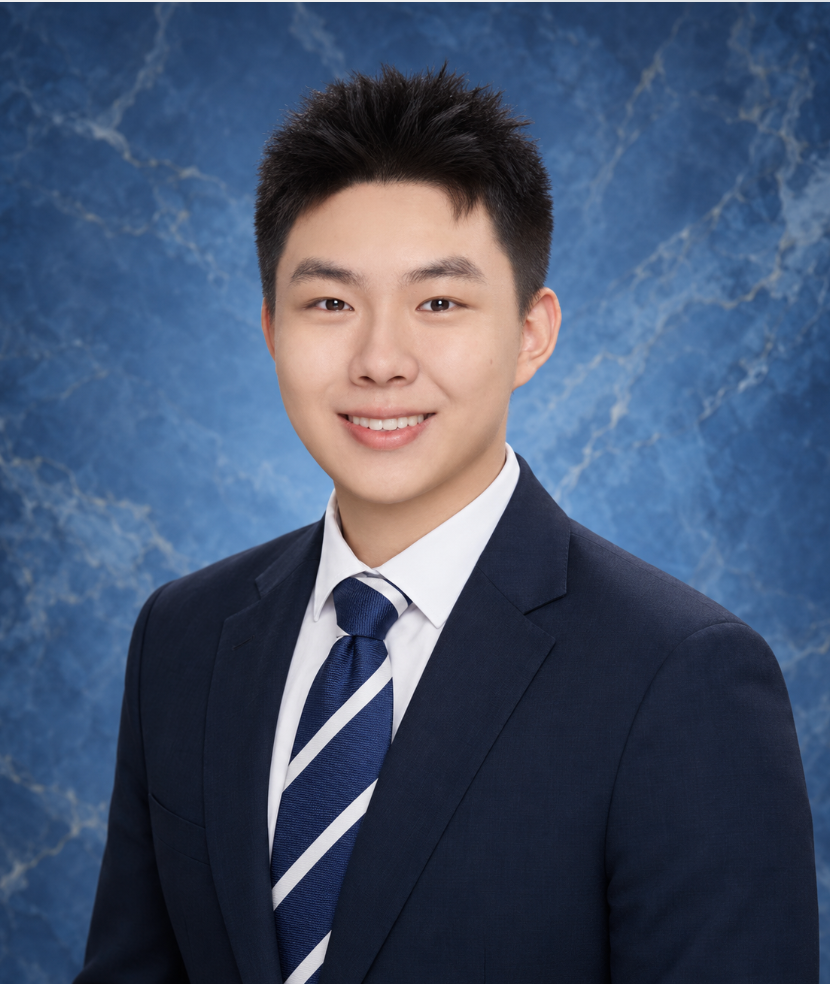
Formal portrait of Haoyu Zhang in a navy suit.
FORMAL PORTRAITHEFEI · 2026
02 / SELECTED ENDEAVORS THE PERSONAL ARCHIVE   /   VOLUME I

A few things I've tried to change.

An archive of encounters, experiments, and questions. Scroll to open the first file.

HAOYU ZHANG / FIELD ARCHIVE 001SKIP TO THE STORY ↓
ONE QUESTION
LED TO ANOTHER.
TONGLING, ANHUI
YANGTZE RIVER
FIELD JOURNAL / 01

Beyond the
porpoise.

I began with awareness.
The river changed my question.

SCROLL TO OPEN THE ARCHIVE01
HAOYU ZHANG / YFP CONSERVATIONANHUI, CHINA · APPROX. 2 MIN READ
01 / THE FIRST ASSUMPTION

An awareness
problem. Or so
I thought.

In my awareness survey in Anhui, I found that many people knew the distant Siberian tiger, yet did not know the Yangtze finless porpoise living in their own province.

I thought the problem was visibility. If people knew what lived so close to home, perhaps they would care.

My first response was to make the porpoise visible.
02 / MAKING IT VISIBLE

First, a coin.
Then, a conversation.

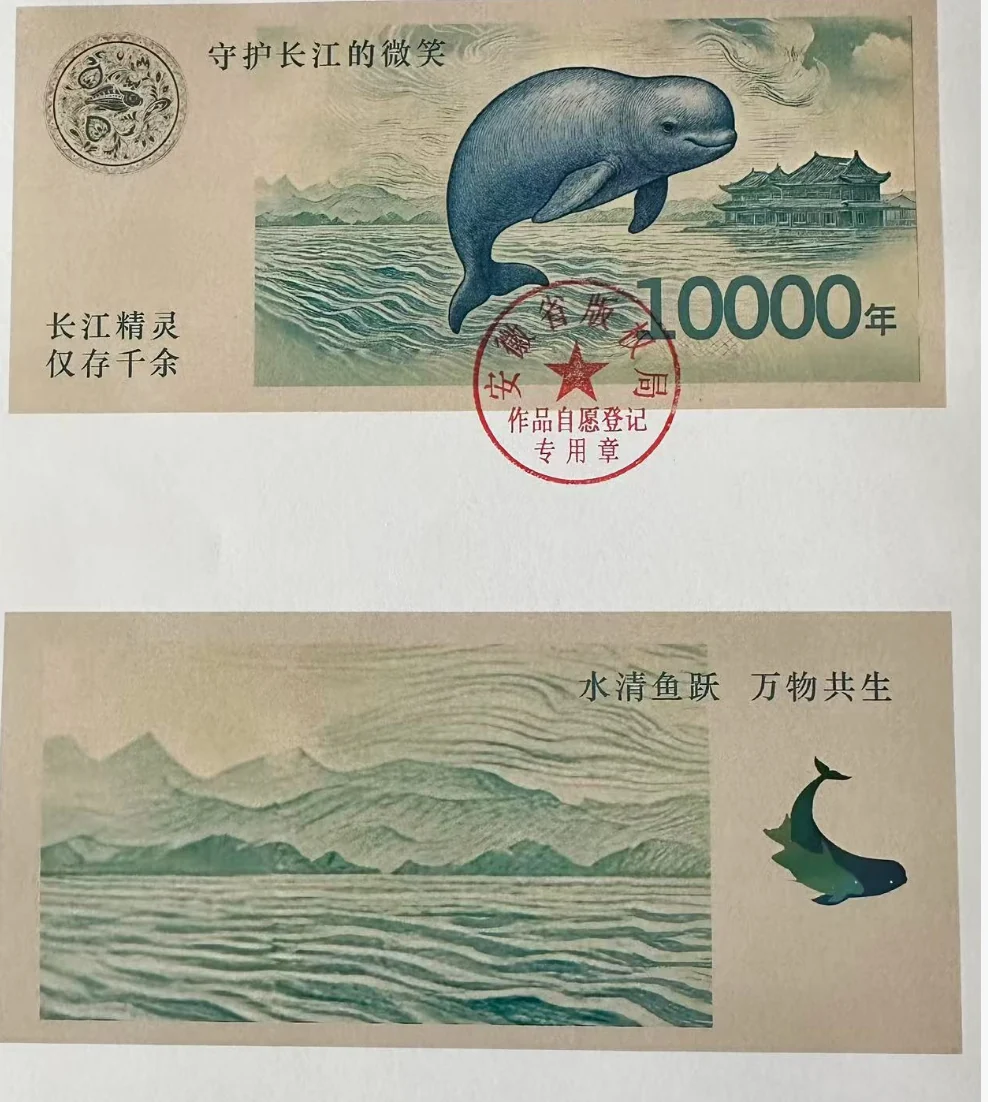
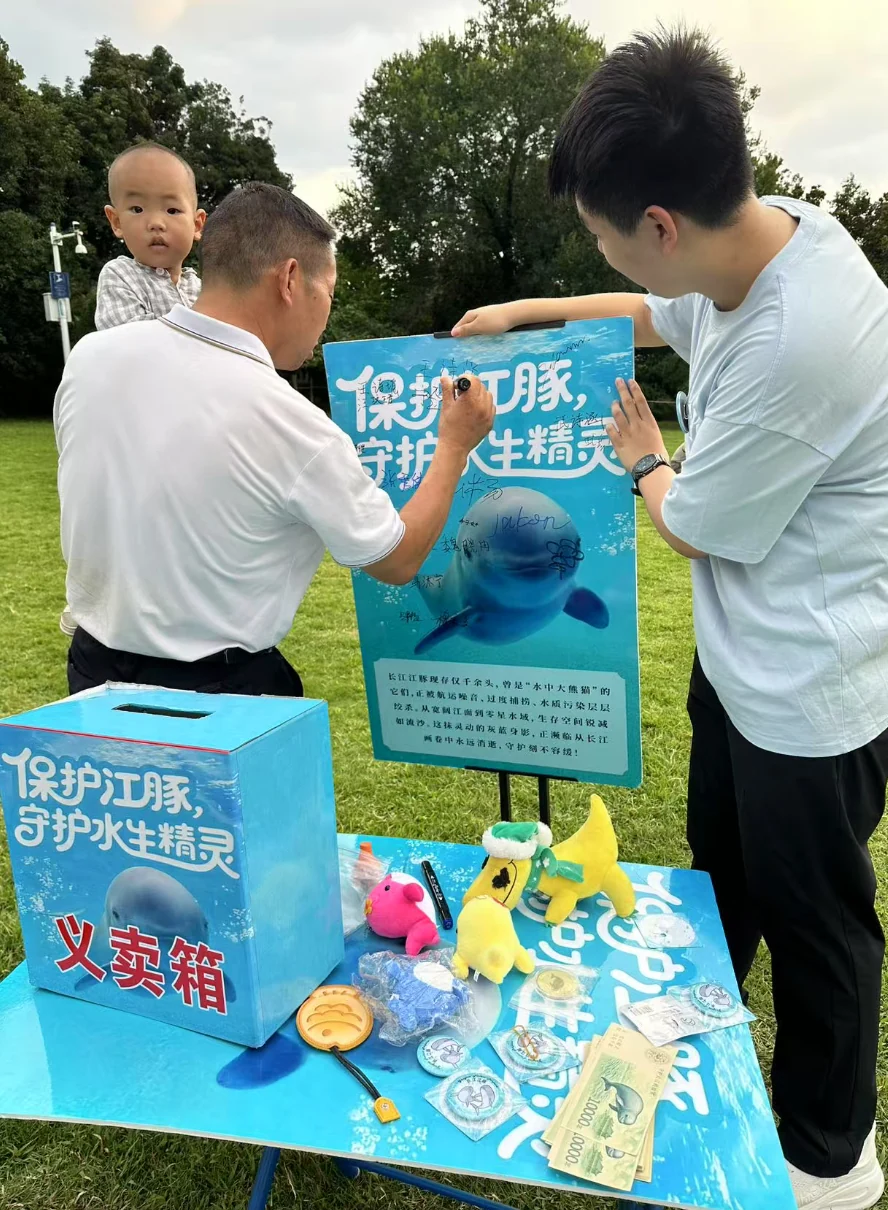
I began by designing a commemorative coin and note, drawing on my love of numismatics. A school talk followed, then a charity sale that raised approximately ¥2,000. I was trying to turn recognition into participation.
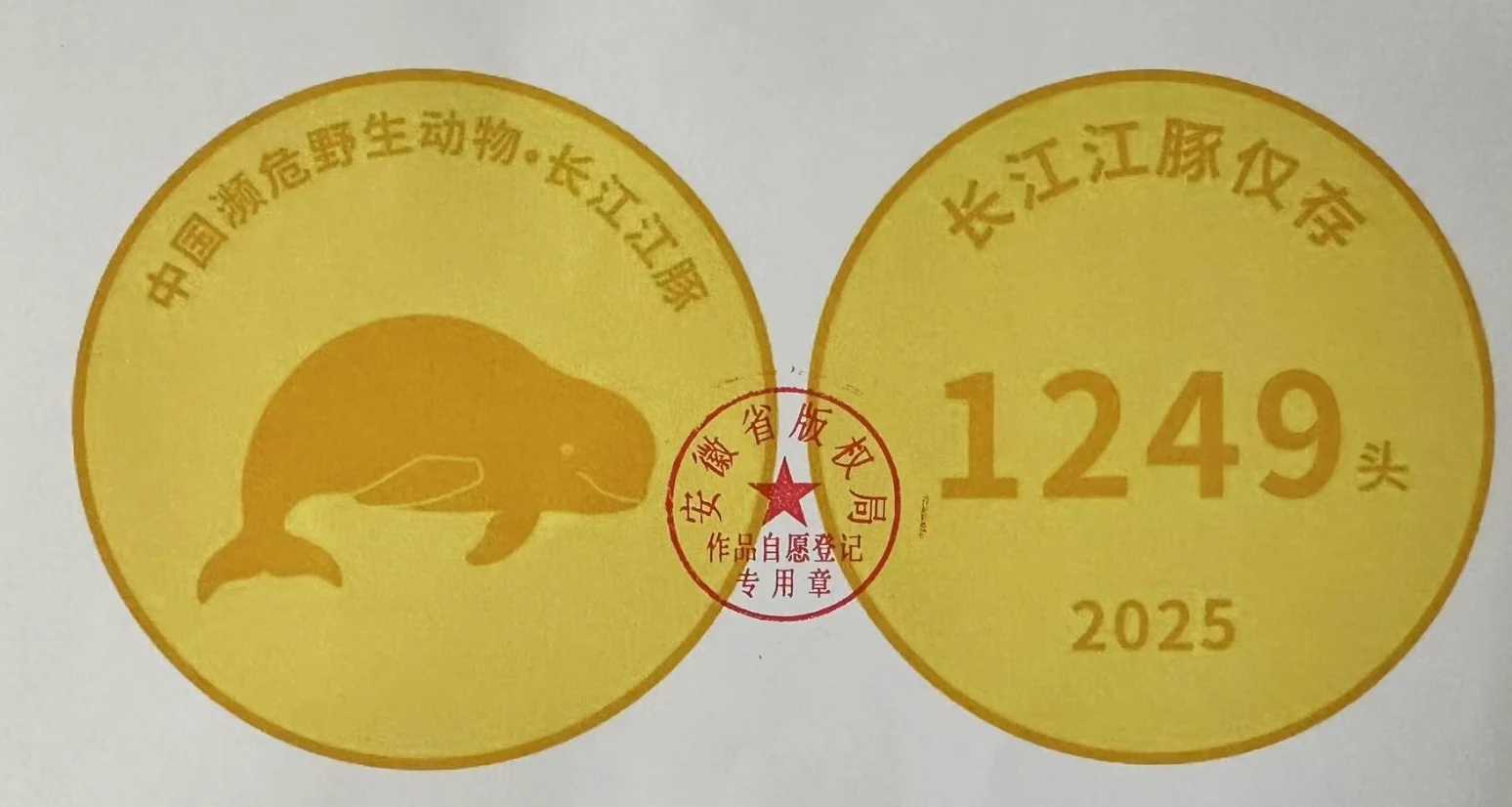
My original commemorative coin design for Yangtze finless porpoise conservation
01 / Commemorative coin concept.
My original porpoise commemorative note design
02 / Commemorative note concept.

Original concept designs, not issued currency. The coin’s “1,249” refers to the earlier survey figure used in the artwork.
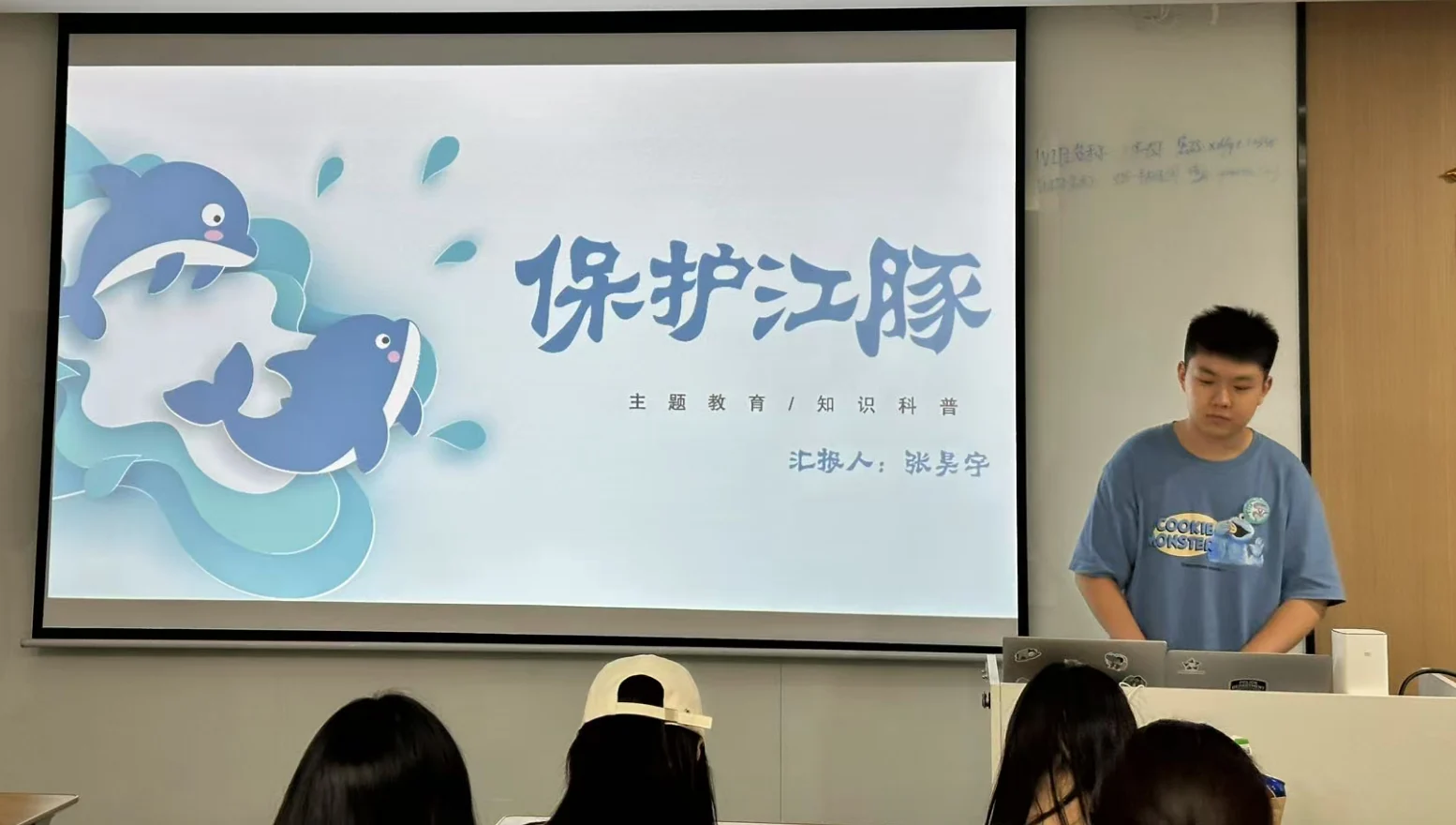
Giving a school presentation about porpoise conservation
03 / Sharing the story at school.
Conservation fundraising and outreach at a park charity sale
04 / Bringing it into the community.
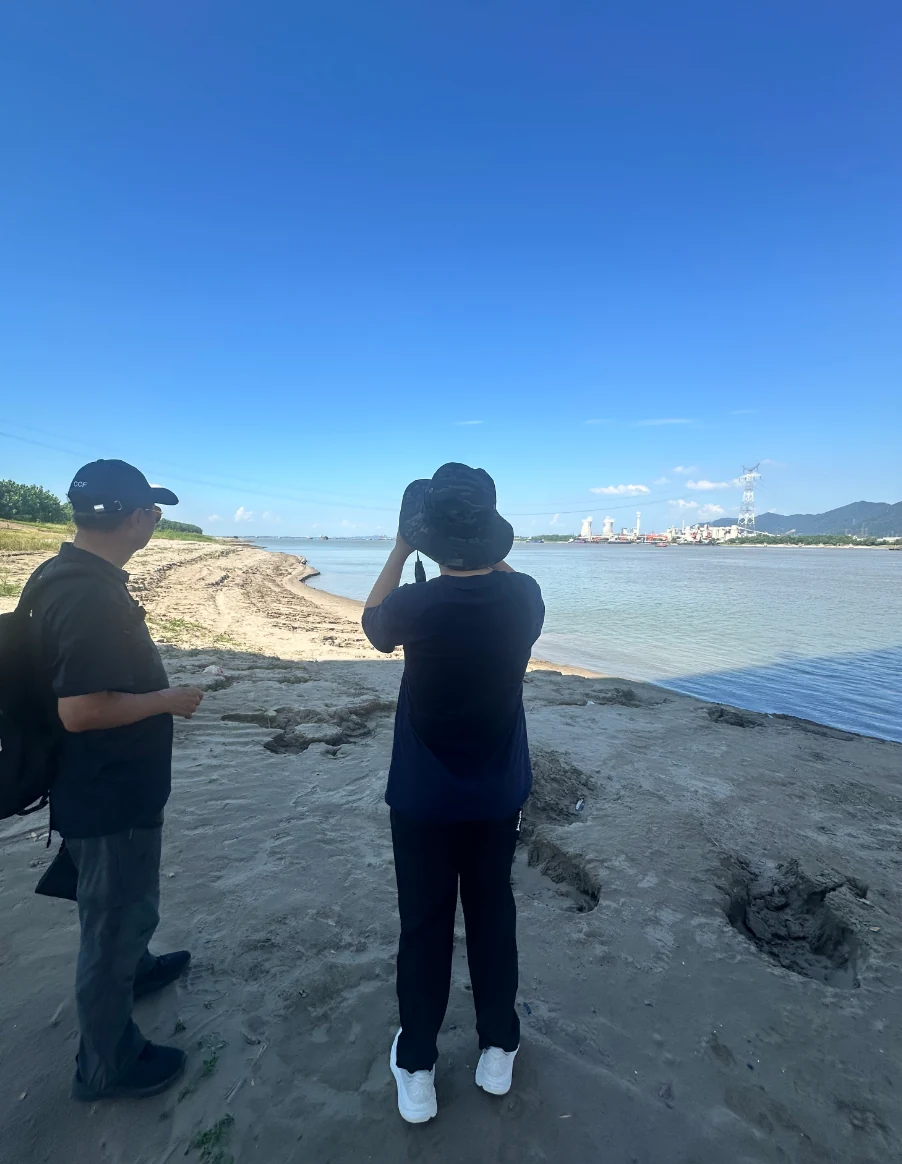
Field investigation on the Yangtze riverbank in Tongling
05 / Later, on the riverbank in Tongling.
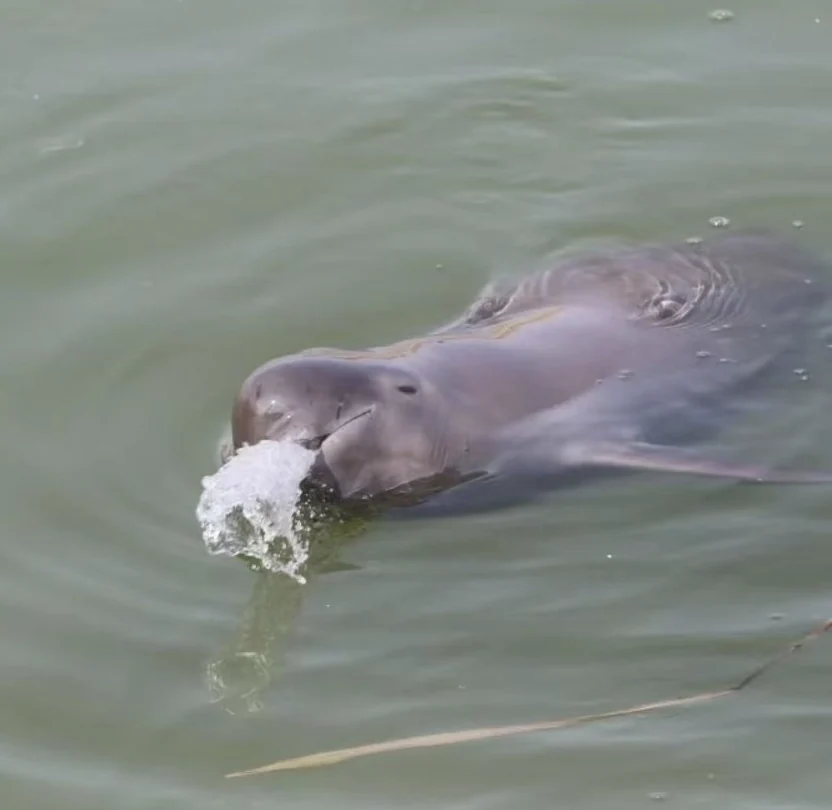
A Yangtze finless porpoise surfacing during the visit
06 / The animal behind the campaign.
03 / THE FIELDWORK

Then I went
to the river.

Only later, through site visits and field investigation, did I begin to see what an awareness campaign could not explain.

Conservation depended on more than whether people knew the animal. It also depended on the people doing the work, the support available to them, and the institutions around them.

04 / A MORE DIFFICULT QUESTION

Conviction needs
support, too.

Not for fame.
Not for profit.Mr. Zhang Bajin’s motivation,
paraphrased from our conversation.

Mr. Zhang Bajin described protection as a matter of belief and responsibility. Yet his annual ¥1,000 government subsidy had been withdrawn, and the science center was in disrepair.

His own commitment endured. I worried about the wider message: if a community’s contribution receives less support, what encourages others to join—or to stay?
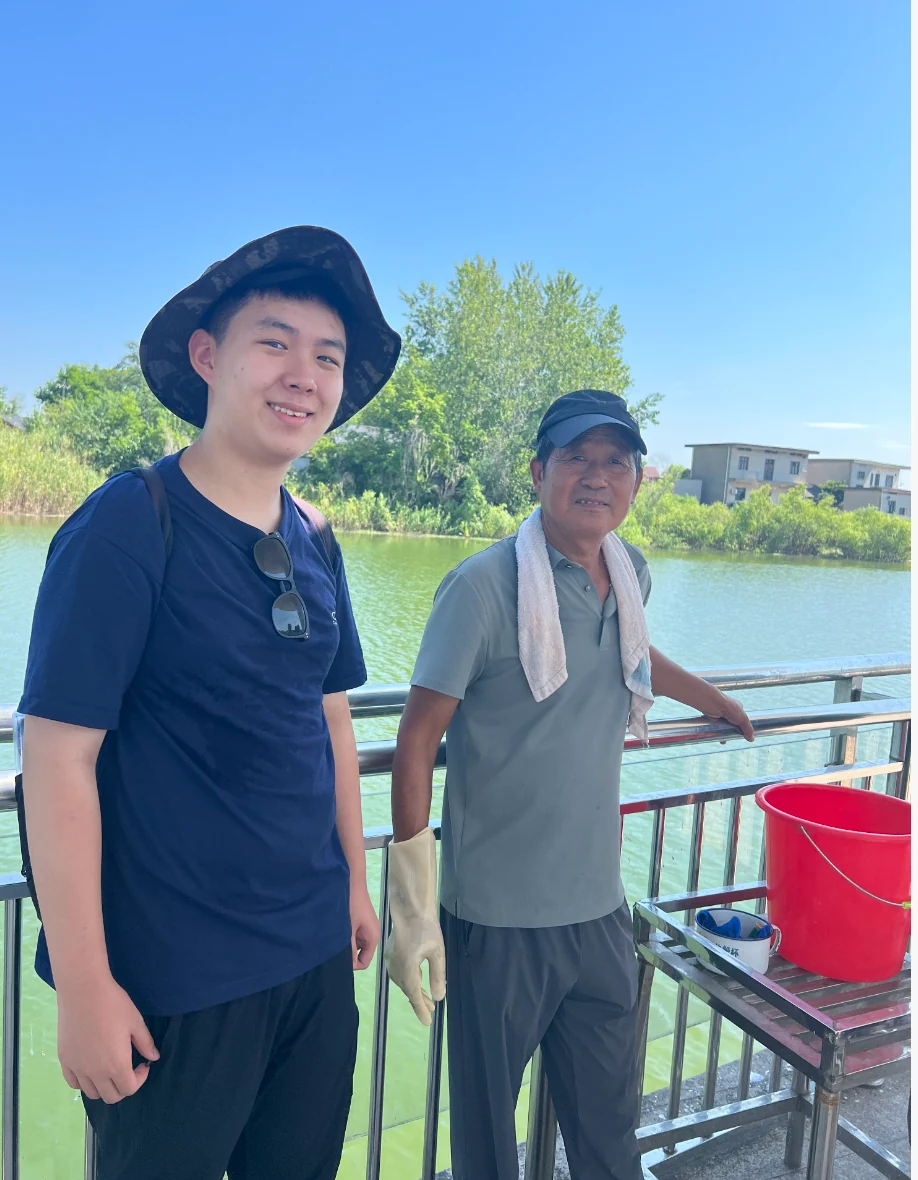
With conservation volunteer Mr. Zhang Bajin
07 / With Mr. Zhang Bajin.
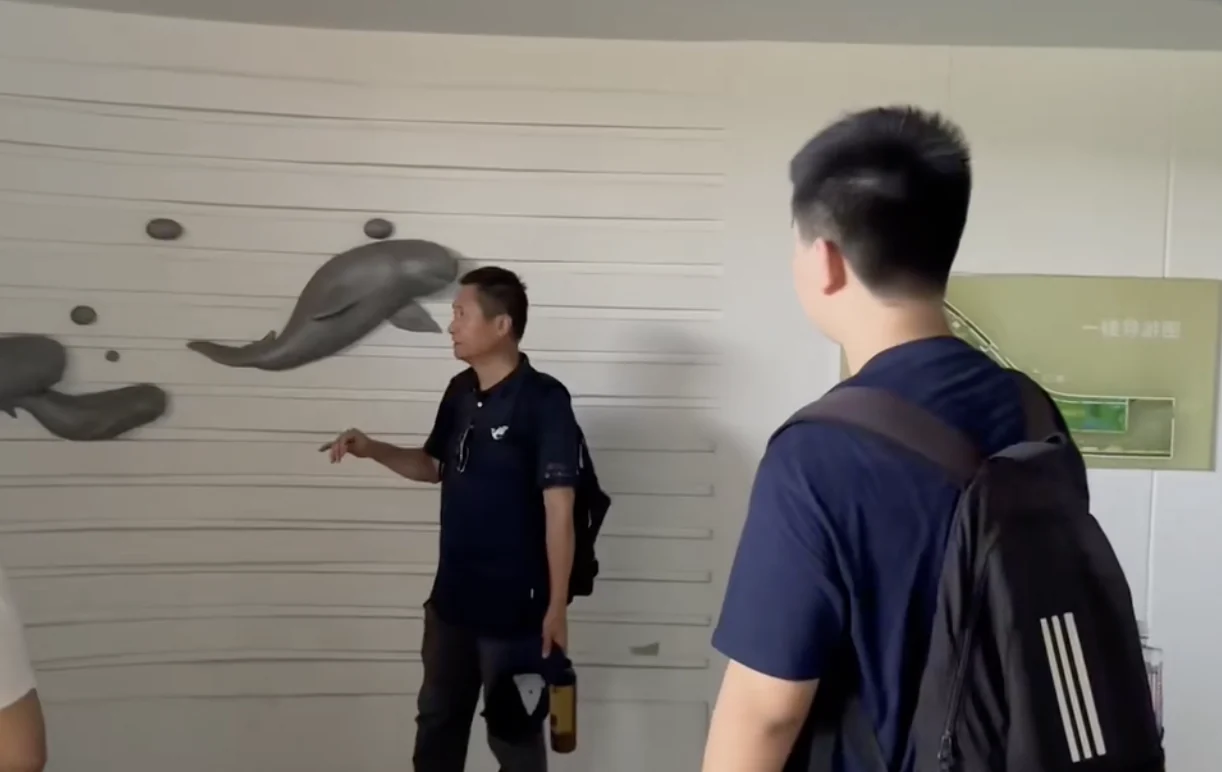
Listening to Mr. Zhang Bajin at the conservation science center
08 / visiting the local YFP science center.
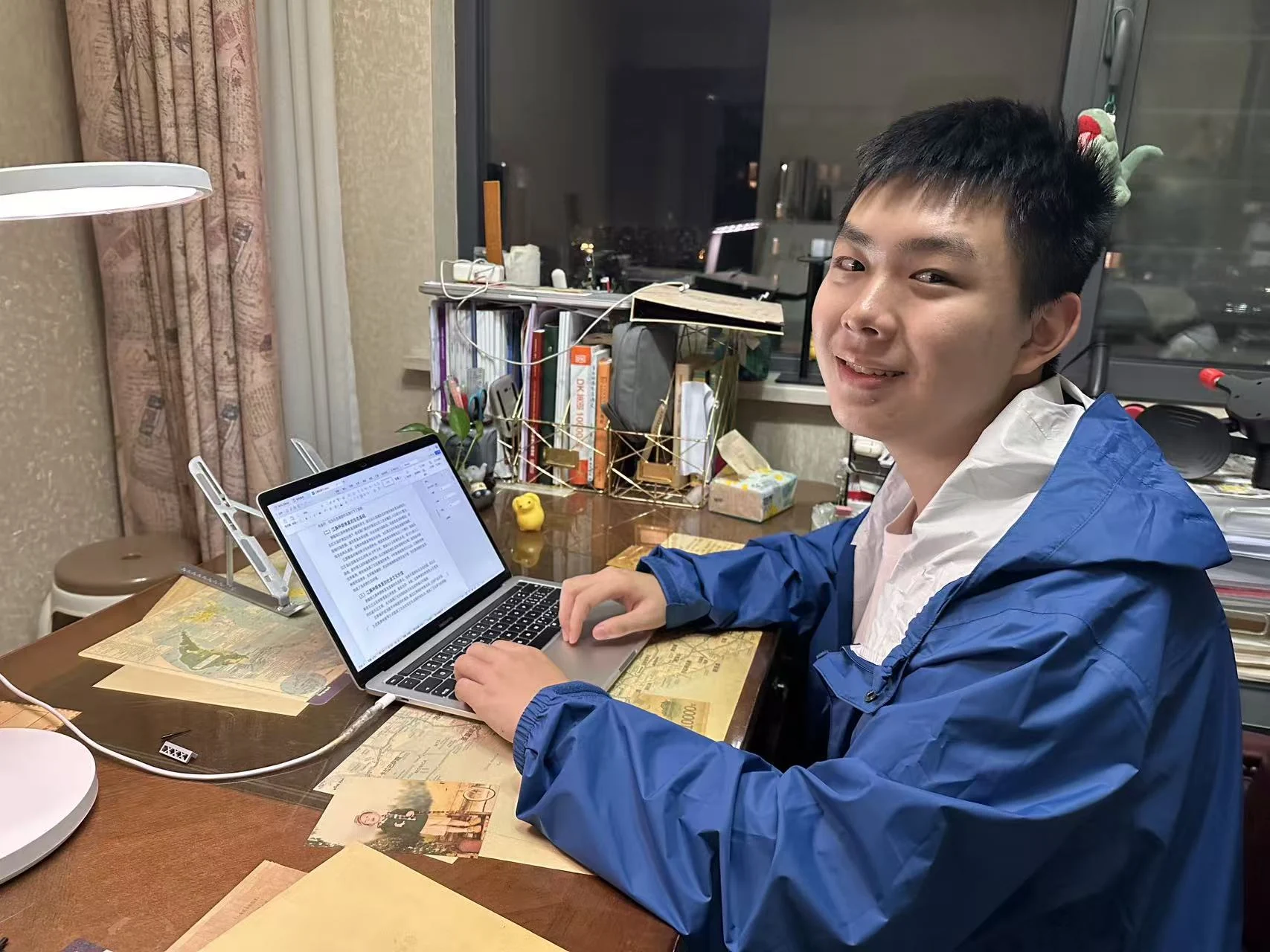
Working at my desk on the research paper after the fieldwork
09 / Back at my desk, working through the questions.
05 / BACK TO THE DESK

One discipline
was not enough.

That was an intellectual turning point for me. Economics helped me think about incentives, but I also needed public policy, local identity, and an understanding of community life.

Back home, I researched and wrote a paper exploring how ecological protection could connect with durable economic and social support. I wanted to address the conditions behind the problem, beyond its visibility.

THE QUESTION I CARRIED FORWARD

How can a system support
the people who already care?
CHAPTER 02 / UASITE15THE PERSONAL ARCHIVE · EXHIBITION 002
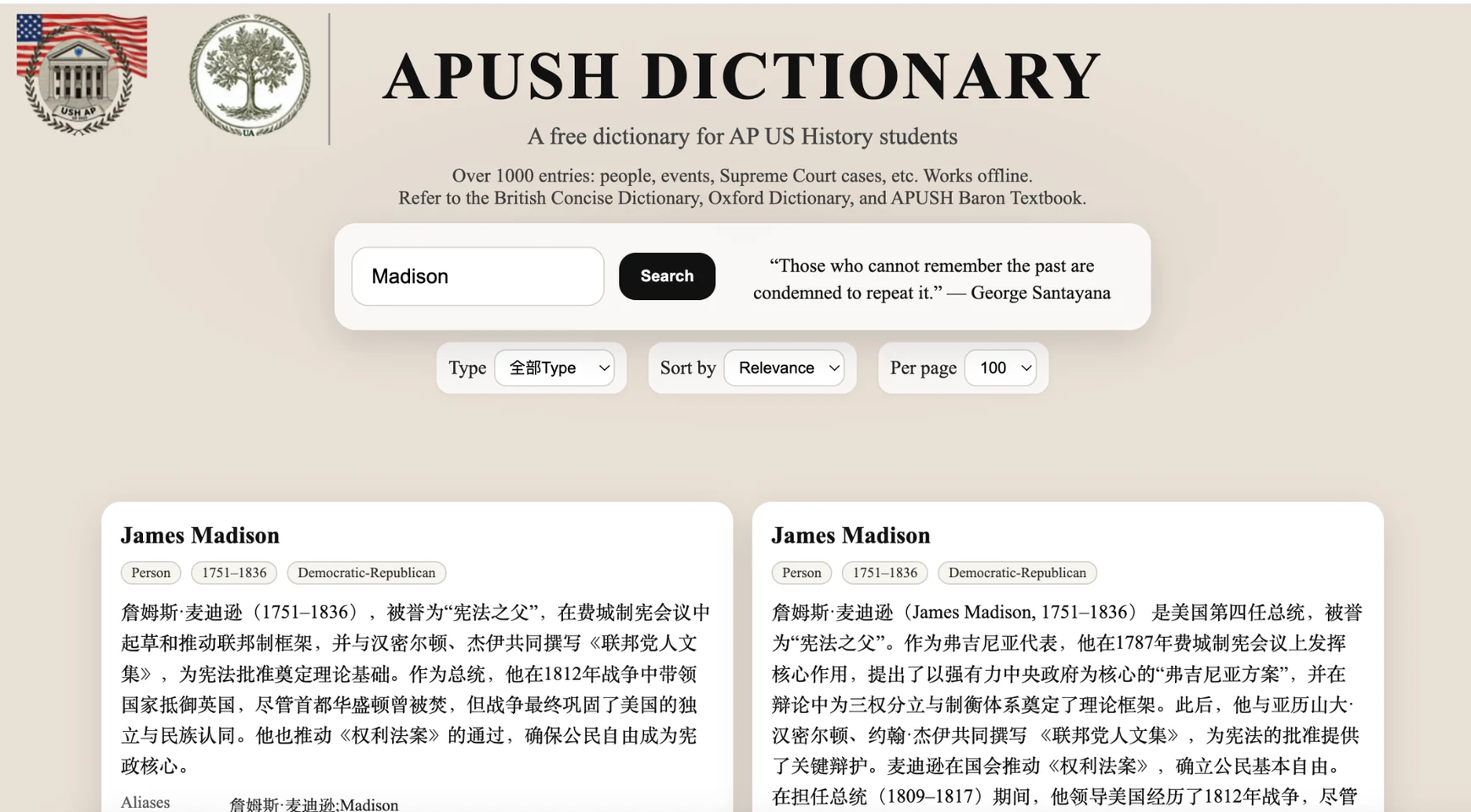
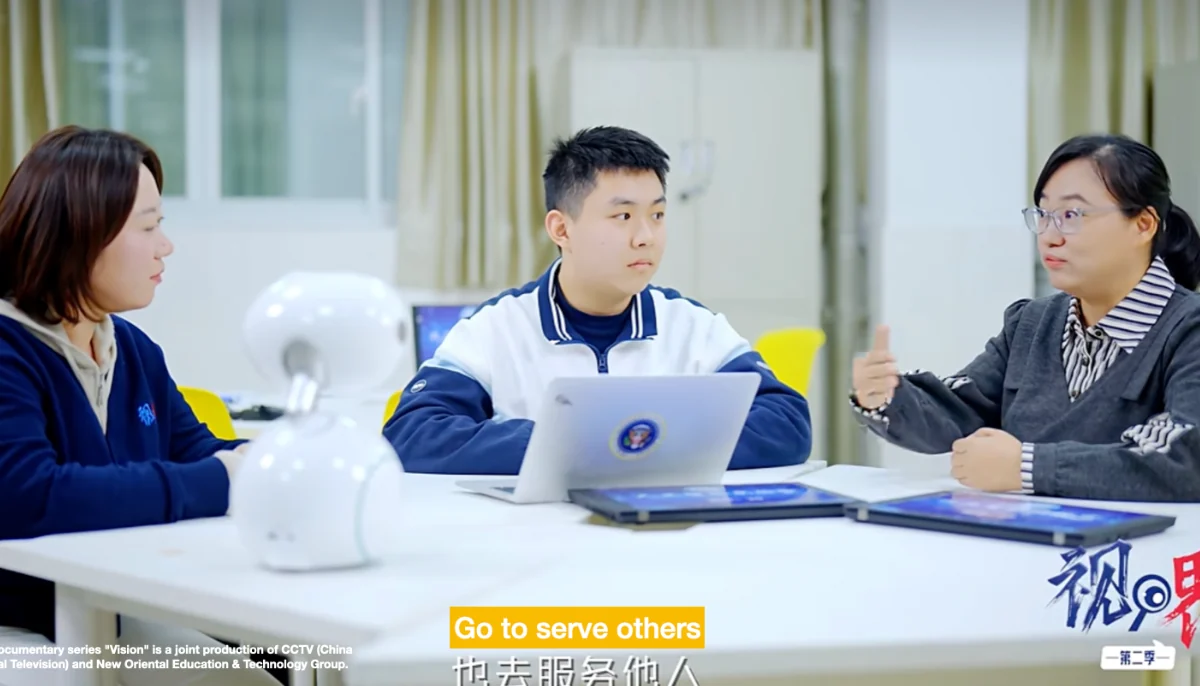
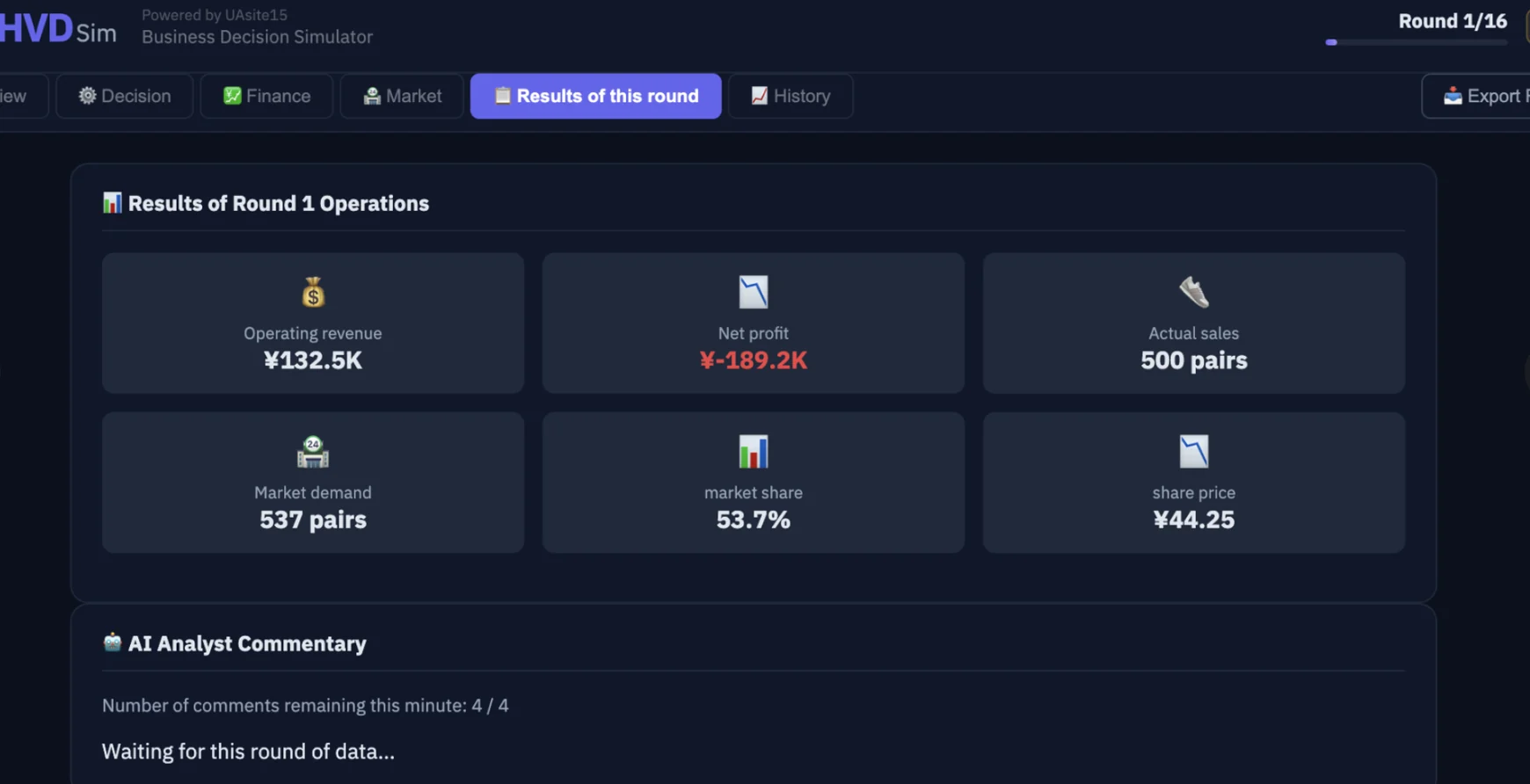
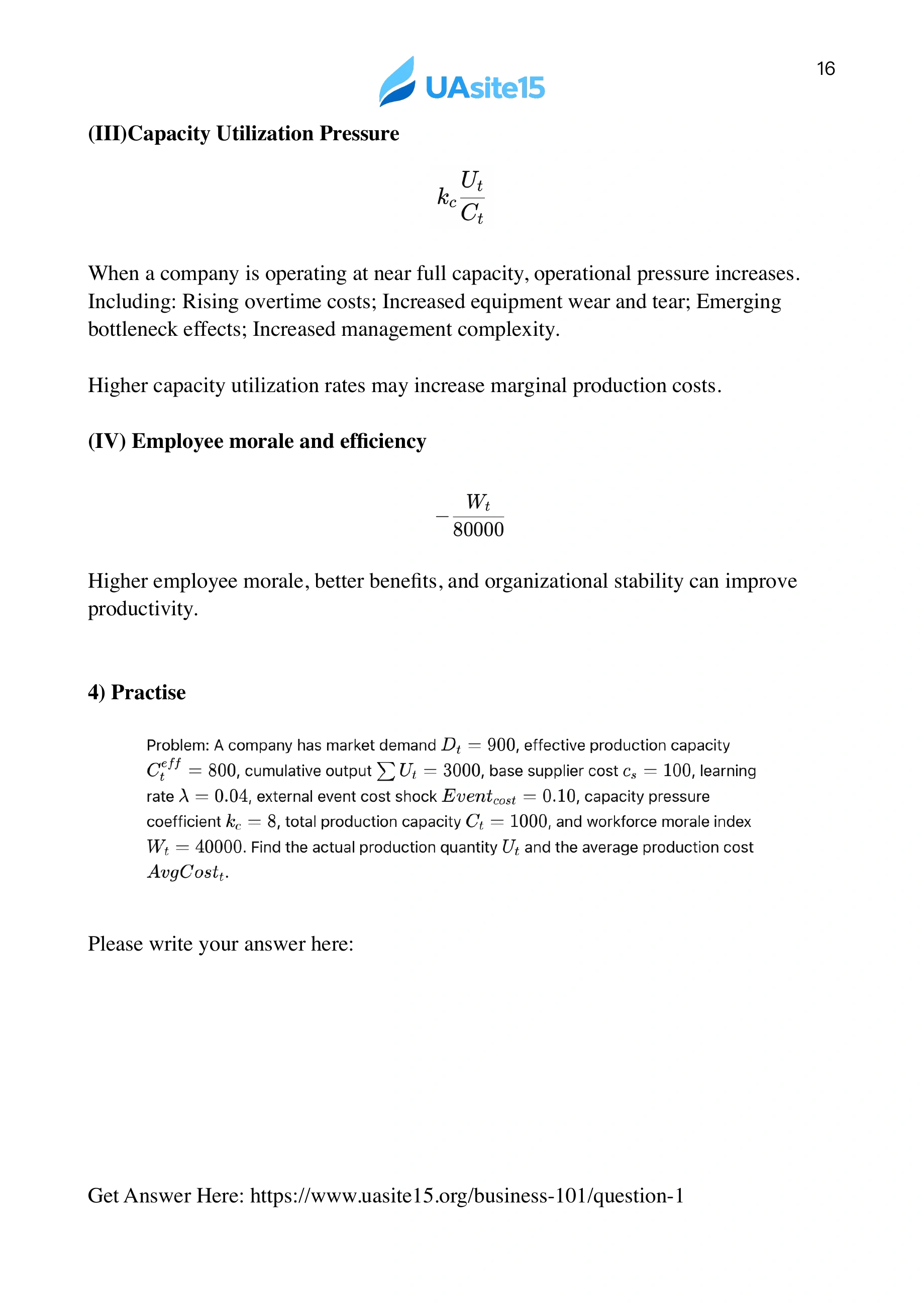
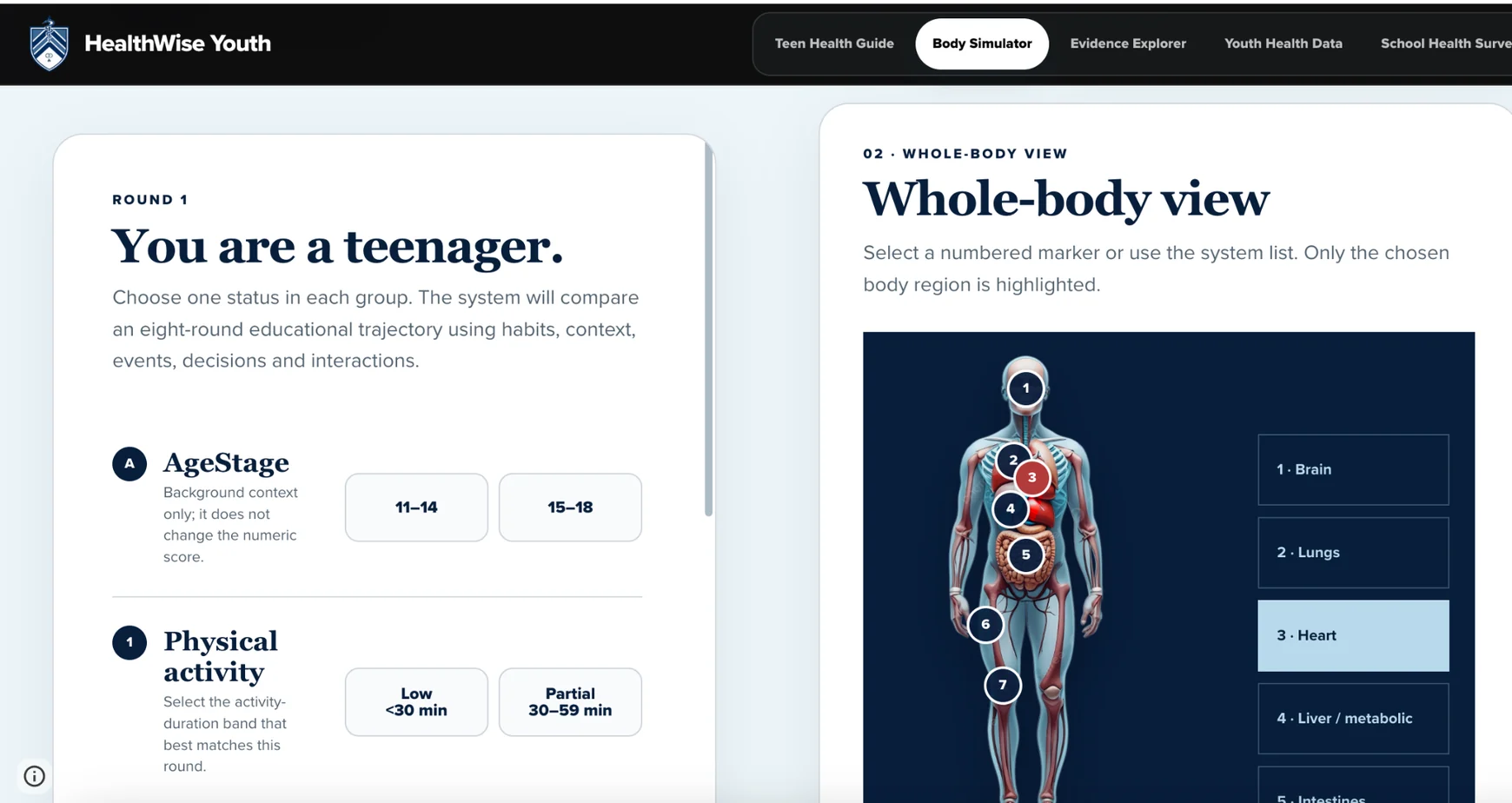
The UAsite15 collection

From One Student's Journey to
Thousands of Students' Access

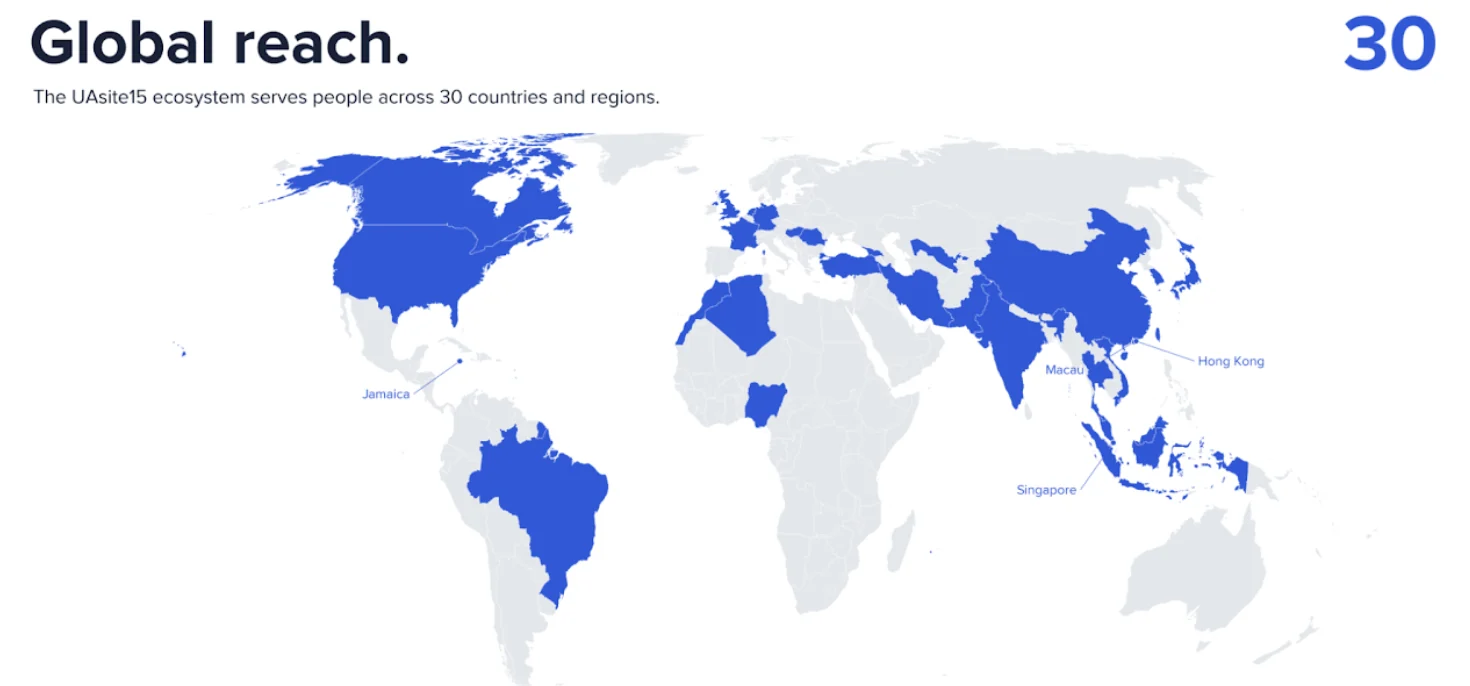
It started with the resources my classmates and I couldn't easily find. One idea became a tool and one tool became a service ecosystem.

A WALK THROUGH THE COLLECTION · SCROLL DOWN
END OF EXHIBITION 002HAOYU ZHANG · PERSONAL ARCHIVE

From one school
to the world.

FREE TOOLS. EQUAL GROUND.VISIT UASITE15 ↗
HAOYU ZHANG / THE ARCHIVETHEODORE REVIEW
THE EDITORIAL ROOMSCROLL TO WALK · CLICK AN EXHIBIT TO READ
Preparing the editorial room…
HAOYU ZHANG / THE ARCHIVECNEC School Club official logo
Illustrated council tour setting
CNEC / STUDENT COUNCIL · 2026–27

Beyond
the contest.

The stage is the part everyone sees. I wanted to understand—and help build—the work that makes learning possible before and after competition day.

Illustrated council tour setting
01 / THROUGH THE SIDE DOOR

Step behind
the scenes.

A different kind of responsibility begins here: supporting school clubs, developing academic resources, and creating reasons to keep asking questions.

STUDENT COUNCILACADEMICS / 2026–27
Illustrated council tour setting
02 / AN INVITATION TO BUILD

From participant
to organizer.

In July 2026, I received an offer to serve as the Student Council’s VP of Academics for 2026–27. My work would center on school clubs: understanding their needs and turning ideas into activities they could use.

Illustrated council tour setting
03 / REC · THE QUESTION

Who gets to
do the thinking?

I worried that a club leader preparing slides could leave everyone else listening. While developing the Regional Economic Challenge (REC), I raised that concern with our adviser and gathered feedback on the format. I wanted members to investigate together, with a real problem to solve.

“Would club members become
passive listeners?”MY QUESTION TO OUR ADVISER · TRANSLATED
Illustrated council tour setting
04 / REC · THE IDEA I SET OUT TO BUILD

Take economics
back to the city.

I initiated and led REC around a local question each club could investigate. Teams would gather evidence, explain the economic mechanism, and propose a feasible response. They had to consider funding, who benefits, who bears the costs, and how to judge results. A model becomes useful when it meets a place.

01 Find a local problem.02 Investigate the evidence.03 Explain the mechanism.04 Design & evaluate a response.
Illustrated council tour setting
05 / REC · WHAT THE RULES REWARD

Make room for
different strengths.

The recognition framework rewards local insight, rigorous evidence, practical innovation, and public value through four parallel honors. Grand Honor recognizes an exceptional proposal across those dimensions. The aim is to make careful research and community relevance worth pursuing.

Local insightEvidencePractical innovationPublic value
Illustrated council tour setting
06 / ECON BLUEBOOK · IN DEVELOPMENT

Let good work
travel further.

Alongside REC, I am developing Econ Bluebook: a shared collection of student-created economics resources. I organize its workflow, submission standards, and editorial-board selection. Questions, regional research, and activity ideas can become material another club learns from—after the original event is over.

Illustrated council tour setting
07 / THE EVERYDAY WORK

Support is also
in the details.

Academic support also means preparing usable teaching materials. Alongside the larger projects, I work on resources that help clubs connect economic concepts with practice, so a meeting can start with something concrete.

Illustrated council tour setting
08 / WUHAN · AUGUST 2026

Plans meet
other people.

During the planning period, I joined the Wuhan summit, led participant discussions, and worked with fellow council members. REC and Bluebook were parallel projects; this was another part of council life—meeting the people behind the plans.

Illustrated council tour setting
09 / BACK TO THE COMPETITION FLOOR

The contest ends.
The work continues.

I want students to leave with more than an answer: a question of their own, people to investigate it with, and a way to keep going.

BACK TO THE ARCHIVE ↗
CNEC School Club official logo
CHANGSHA · THE NATIONAL CONTEST
00:00 / 02:45
SCROLL TO WALK · SELECT AN ORIGINAL TO ENLARGE

HZ. THE PERSONAL ALBUM
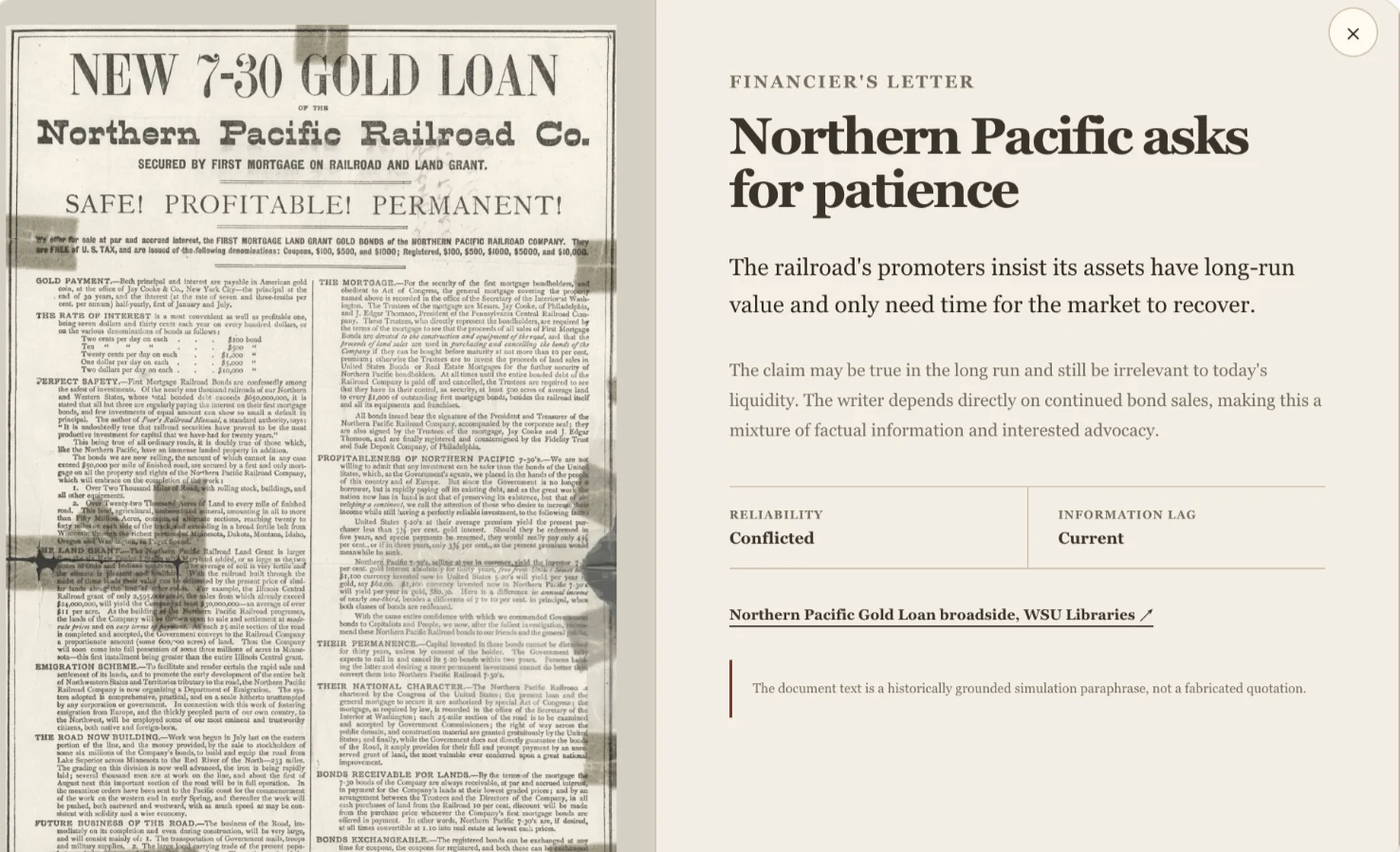
SELECTED WORK ↗
PERSONAL ARCHIVE · V

A Few Things
I Keep

Coins, riding, and memorable meals.

HAOYU ZHANG
01 / THE COLLECTION

The Collector

A favorite from my collection:
a 1934A $10 note featuring Hamilton.
Old banknotes keep me curious about the people and places behind them.
01 — 02
02 / THE COLLECTION

More from
the Collection

A few pages and pieces I return to.
I sometimes spend longer studying
the details than I planned.
03 — 04
03 / RIDING

Back in the Saddle

I took a break after breaking my arm, then returned to riding.
Training days, small improvements,
and a pair of well-worn gloves.
05 — 06
04 / AT THE TABLE

At the Table

I save photos of meals I want to remember.
Malbec Argentinean Cuisine
Fengzeyuan
Fu 1088
07 — 08
SCROLL TO TURN THE PAGE
01 / 05

HAOYU ZHANG · A PERSONAL ARCHIVE

Thank you
for being here.

Hefei, Anhui, China

SELECTED WORK ↓
THE END / FURTHER READING & WATCHING

Selected work